

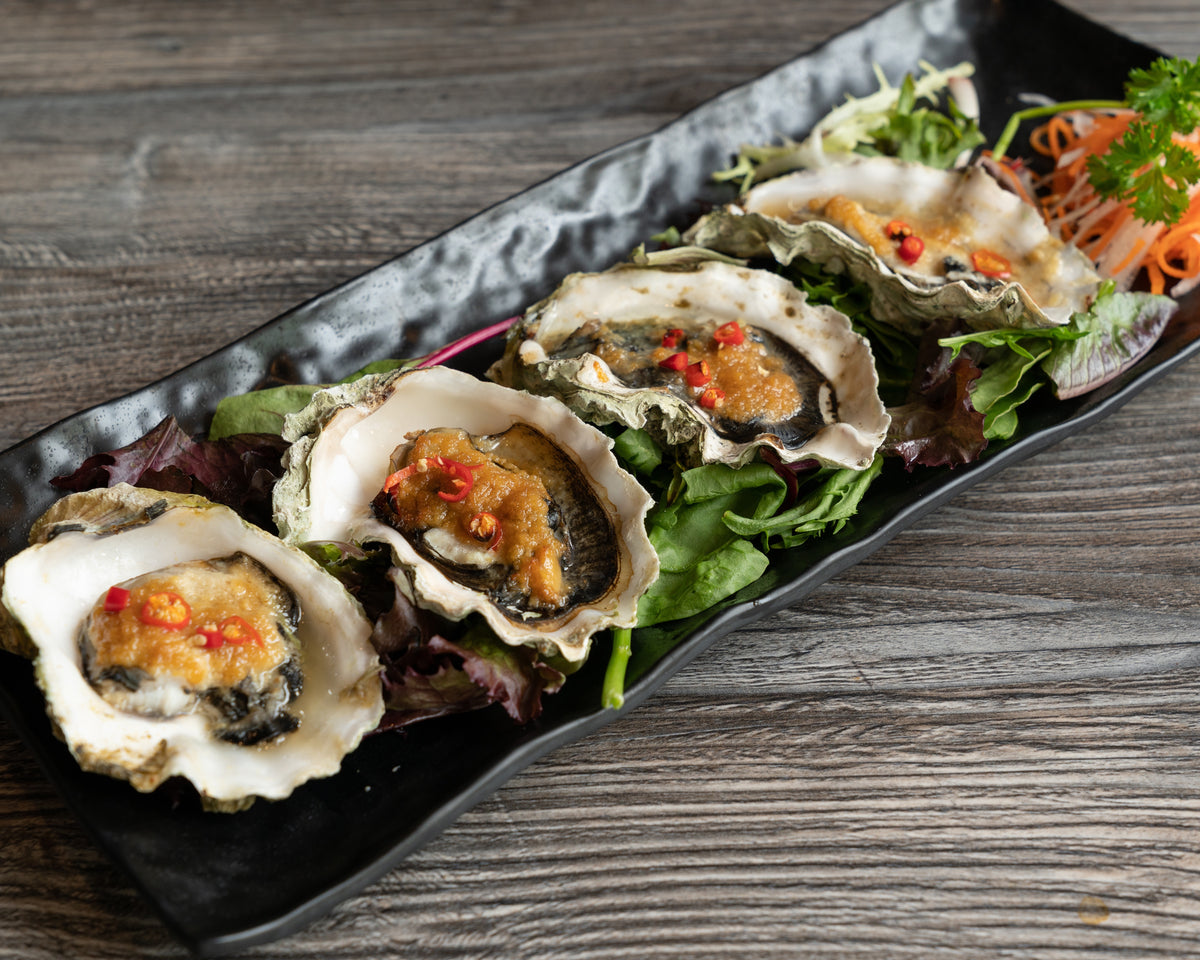
Oysters have a reputation as an aphrodisiac that goes back centuries, and these days that reputation gets pinned specifically on zinc. As a naturopath, I'd rather look at what the actual research says than repeat the folklore, because the real picture is more useful, and more interesting, than "oysters make you frisky."
What's Actually in an Oyster
Oysters are, gram for gram, one of the richest natural sources of zinc of any food, far ahead of red meat, nuts or legumes (National Institutes of Health, Office of Dietary Supplements). They also carry meaningful amounts of selenium, copper and B12. Zinc can't be stored by the body in any meaningful way, so it needs regular dietary intake, which is part of why a concentrated whole-food source like oyster meat is worth paying attention to.
What the Research Shows on Zinc and Testosterone
A 2023 systematic review pooled 38 studies looking at zinc and testosterone, 8 in humans and 30 in animals, and concluded that zinc deficiency reduces testosterone levels, and that supplementing zinc improves testosterone levels, particularly in people who were deficient to begin with (Liger Te et al., 2023). Worth being upfront about: most of the underlying evidence here is animal research, with only a handful of human clinical studies, so the size of the effect in someone who isn't actually deficient is still an open question.
A separate 2018 review focused specifically on male fertility found that zinc acts as a hormone balancer for testosterone, plays a direct role in healthy sperm development, and that zinc deficiency is associated with sperm abnormalities and lower serum testosterone (Fallah, Mohammad-Hasani & Colagar, 2018).
It's Not Only a Men's Health Story
Zinc's role in reproductive hormones isn't male-specific. Early research out of Penn State, presented at the American Physiological Society's Experimental Biology meeting, found that zinc deficiency negatively affected the earliest stages of egg cell development, reducing eggs' ability to mature and be fertilised later (Hester & Diaz, 2018). This is still an emerging area of research, and worth treating as early-stage rather than settled, but it's consistent with zinc being a genuinely shared hormonal nutrient rather than one that only matters for testosterone.
Who Should Pay Attention to This
- Anyone training hard or in a calorie deficit: both increase zinc turnover and demand.
- Vegetarians and vegans: plant sources of zinc exist, but phytates in grains and legumes reduce how much your body actually absorbs.
- Anyone trying to conceive, male or female: given zinc's role in both sperm quality and early egg development.
- Anyone currently relying on a standard multivitamin for zinc: most use small, isolated doses of synthetic zinc oxide or zinc gluconate rather than a whole-food form.
Getting Zinc From Whole Food Rather Than Synthetic Isolates
Worth being honest about one thing: there's no dedicated clinical trial testing "oyster extract" as its own standardised supplement, the way there is for isolated zinc. The research above is about zinc as a nutrient. Oysters simply happen to be the most concentrated, naturally occurring whole-food source of it, which is why we built The Multi around wild oyster meat rather than a synthetic zinc salt, alongside grass-finished beef liver for iron and B12, and organic kelp for iodine, so the nutrients arrive together with their natural cofactors rather than as an isolated mineral on its own.
If low testosterone, fertility or hormonal symptoms are a genuine concern, that's worth testing and discussing with your GP or a naturopath rather than guessing from a supplement label alone. You can see the full range, including The Multi, in our Zinc, Hormones & Libido collection.
The Research
Zinc, Office of Dietary Supplements, National Institutes of Health

Leave a comment
This site is protected by hCaptcha and the hCaptcha Privacy Policy and Terms of Service apply.